
Forward Vision • Elevating Public Safety
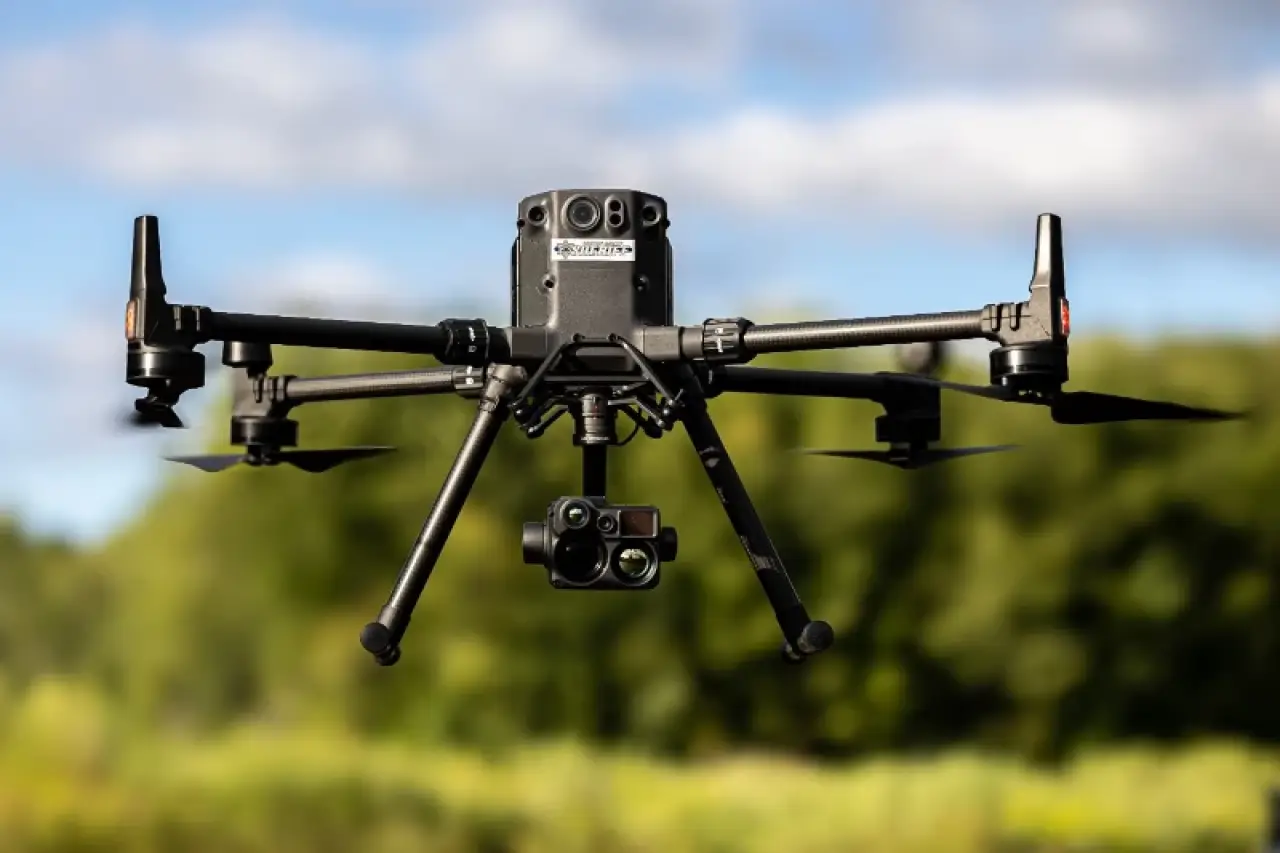
Our Unmanned Aircraft Systems (UAS) Program leverages cutting-edge UAS technology to enhance public safety, improve emergency response, support critical operations, and provide valuable aerial intelligence to first responders.
The MCSO UAS Program consists of:
- Full-time dedicated UAS pilots responding to calls for service throughout the county
- A special team of the Drone Response Team
As an extension of our agency’s commitment to serving the community, the UAS Program delivers capabilities that improve situational awareness while increasing the safety of responders and the public. Whether supporting emergency incidents, assisting with investigations, documenting disaster damage, or conducting search and rescue operations, our UAS program provides information that helps personnel make informed decisions when it matters most.
We strive to use this technology responsibly, professionally, and transparently in support of our community.
Our Mission
The mission of the UAS Program is to safely and responsibly employ Unmanned Aircraft Systems to support public safety operations, protect life and property, enhance responder safety, and improve operational effectiveness through aerial intelligence.
Every mission is conducted with professionalism, accountability, and respect for the privacy of the communities we serve.
What We Do
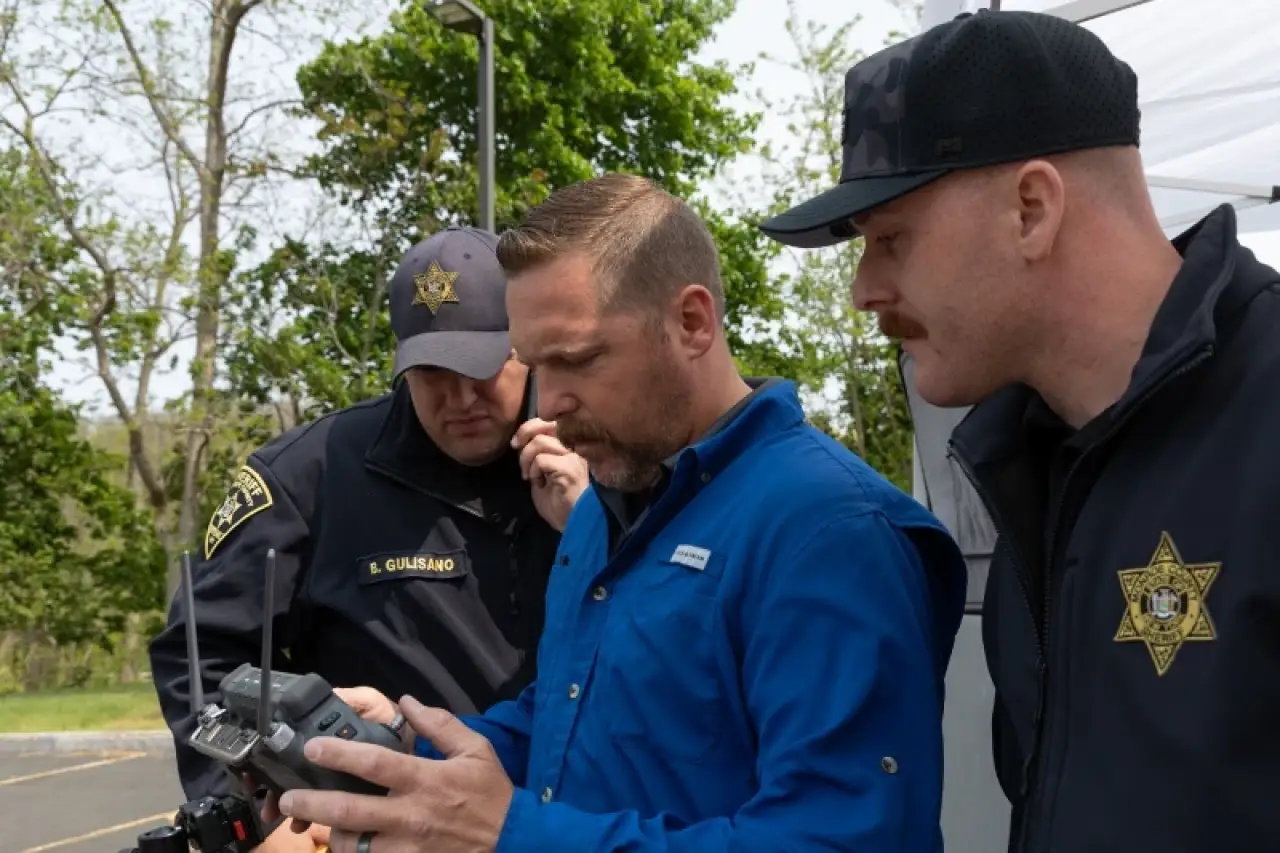
Our UAS Team provides aerial support for a wide variety of public safety missions, including:
- Emergency incident response
- Drone as a First Responder (DFR)
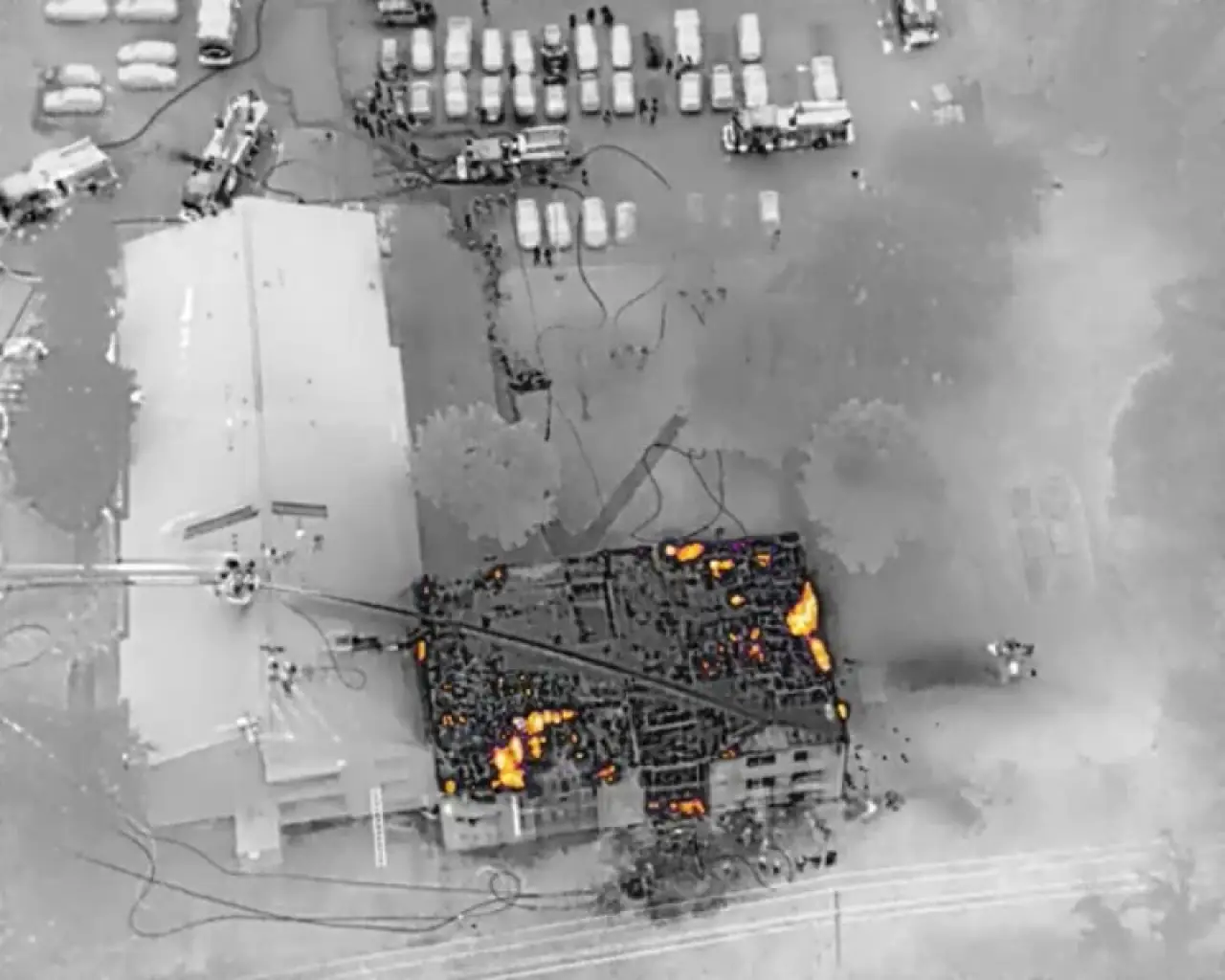
- Fire emergency support
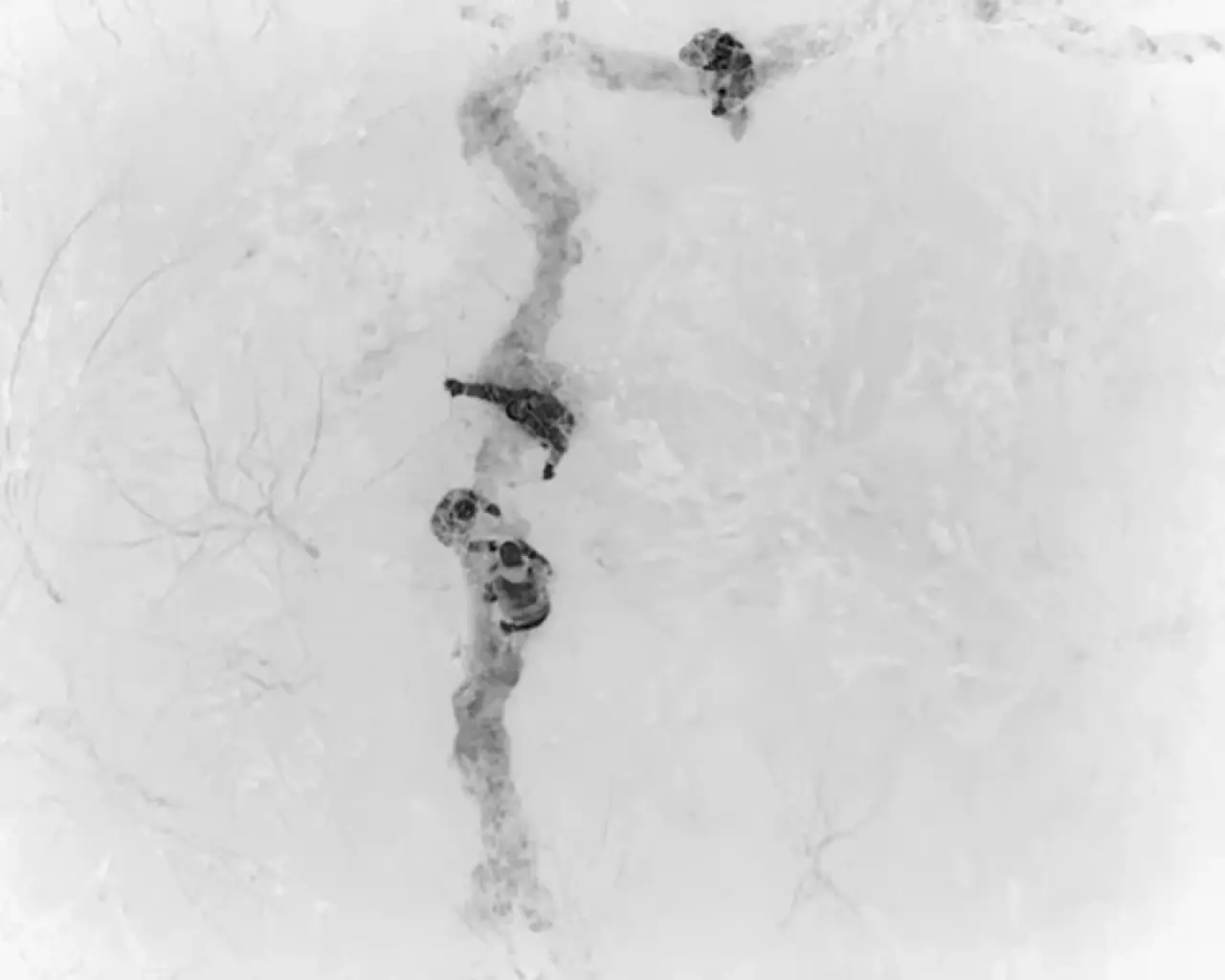
- Search and rescue missions
- Missing & endangered persons
- Traffic crash documentation
- Crime scene mapping
- Disaster assessment
- Hazardous materials incidents
- Critical infrastructure inspections
- Special event monitoring
- Community outreach & demos
- Public safety training exercises
By providing an aerial perspective, UAS often allow responders to gather information more safely, efficiently, and accurately than traditional methods alone.
Safety, Privacy & Transparency
Our agency recognizes that trust is essential when deploying emerging technologies. The UAS Program operates under established policies and procedures designed to ensure responsible and lawful use of Unmanned Aircraft Systems.
Our commitment includes:
- FAA-compliant flight operations
- Certified and trained pilots
- Clearly defined operational guidelines
- Mission-specific deployments
- Secure management of aerial imagery and data
- Continuous training and proficiency standards
- Transparency with our community
Our UAS are public safety tools deployed to support legitimate agency missions. They are not used for indiscriminate or routine surveillance of the public.
Equipment & Technology
Our UAS fleet incorporates advanced technologies that enable safe and effective aerial operations, including:
- High-definition optical cameras
- Thermal imaging systems
- Precision mapping capabilities
- Live video streaming
- GPS-assisted navigation
- Night operation capabilities
- Public safety communications integration
As technology evolves, our program continually evaluates new capabilities that can improve emergency response while maintaining the highest standards of safety and accountability.
Training & Professional Standards
Operating public safety UAS requires far more than simply flying an aircraft.
Members of our UAS Team receive ongoing training in aviation safety, emergency response, mission planning, airspace management, equipment operation, and legal and ethical responsibilities. Regular proficiency training and scenario-based exercises ensure our personnel are prepared for real-world incidents.
Community Engagement
Education and transparency are key components of our program. Throughout the year, our team participates in:
- Community events
- School demonstrations
- Public safety expos
- Mission-specific deployments
- Agency open houses
- Technology showcases
- Interagency training events
These opportunities allow community members to learn how UAS are used to improve public safety while asking questions and seeing the technology firsthand.
News & Program Updates
This page serves as the central location for:
- Program announcements
- Mission highlights
- Success stories
- Community events
- New equipment
- Training exercises
- Awards and recognitions
- Operational statistics
Check back regularly as we continue to share the growth and accomplishments of our UAS Program.
Serving Our Community from Above
The UAS Program represents our commitment to innovation, safety, and service.
By combining advanced aviation technology with professional public safety operations, we are able to provide responders with critical information, improve decision-making, enhance safety, and better serve our community every day.
As our program continues to grow, so will the capabilities we provide in support of our mission: protecting life, safeguarding property, and serving our community with professionalism, integrity, and transparency.